
- calendar_today August 5, 2025
The luxury housing landscape in the U.S. is undergoing critical changes that will define the real estate market in 2025.
The U.S. luxury housing market has proven its resilience through economic shifts, inflationary pressure, and global uncertainty. As 2025 unfolds, affluent buyers, developers, and real estate professionals are closely watching emerging trends that may redefine luxury homeownership in the country.
No longer just about aesthetics and square footage, luxury in 2025 is about privacy, personalization, sustainability, and global influence. Buyers are more discerning, developers are more tech-savvy, and the market is moving toward exclusive value rather than mass appreciation.
These seven predictions reveal how the luxury housing market in the US is expected to evolve this year.
Setting the Scene: 2024’s Influence on 2025 Trends
Last year closed with a modest rise of around 4% in luxury property prices across top U.S. markets, according to industry estimates. While higher mortgage rates did affect some segments, luxury real estate remained largely shielded due to the prevalence of cash buyers and international investors.
From coastal enclaves to emerging secondary cities, demand stayed consistent, though inventory levels remained tight in prime locations. The market now transitions into 2025 with a more strategic, value-focused outlook.
1. Buyers Prioritize Lifestyle Over Location Alone
The old adage “location, location, location” is evolving. While location still matters, lifestyle features now drive purchasing decisions. Buyers are prioritizing private wellness amenities, climate-conscious design, and homes that support hybrid work lifestyles.
Properties with meditation rooms, high-end gyms, outdoor kitchens, and garden terraces are seeing faster closings and fewer negotiations, especially in warm-weather markets like Florida and Arizona.
2. Tech-Forward Homes Gain Major Pricing Power
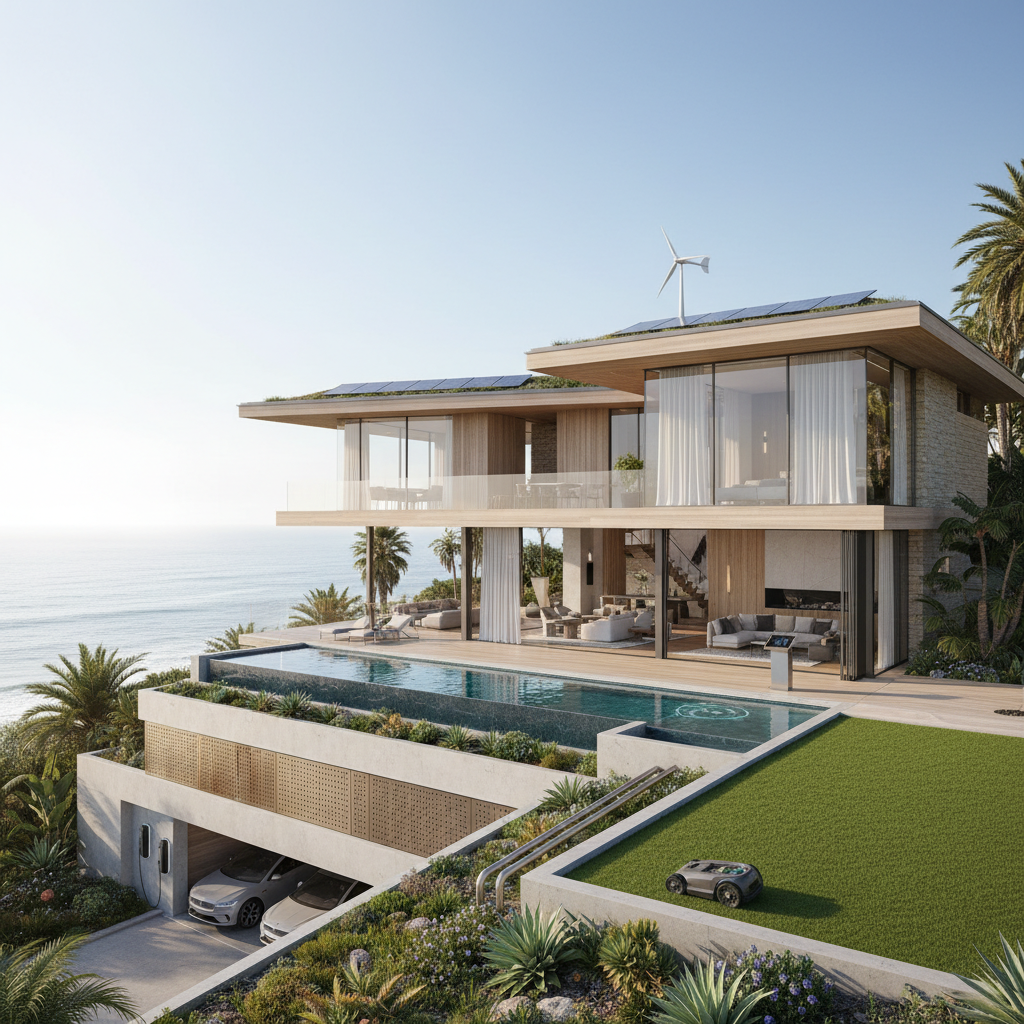
Luxury buyers in 2025 are not just shopping for real estate—they’re shopping for experience-enhancing technology. Smart security systems, fully automated climate and lighting control, EV charging stations, and AI-powered home assistants are now baseline expectations in top-tier listings.
In cities like Los Angeles and Austin, properties equipped with advanced tech packages are selling for 7–12% more than comparable non-tech homes.
3. Luxury Real Estate Investment Broadens Beyond Traditional Markets
While established luxury hubs such as Manhattan, Beverly Hills, and Palm Beach remain strong, new investment hotspots are emerging. Cities like Nashville, Boise, and Charleston are attracting attention for their mix of charm, lower taxes, and growing cultural appeal.
Affluent buyers looking for second homes or remote work retreats are seeking exclusivity outside the mainstream, often creating new micro-luxury markets in the process.
4. Inventory Scarcity Continues in High-Demand Areas
Despite strong buyer interest, inventory in many top U.S. markets remains critically low. Legacy homeowners are holding onto their properties longer, while zoning challenges and rising construction costs have stalled new builds.
This has created a high-pressure environment for agents and buyers, where off-market deals and private sales are increasingly common. Cities like San Diego and Seattle have reported record-low inventory levels for $3M+ listings as of early 2025.
5. International Investment Surges Back
Foreign investment, which dipped during the pandemic years, is making a powerful return. Favorable exchange rates and global wealth expansion, particularly from Asia and Europe, are fueling renewed interest in U.S. luxury property as a stable asset class.
Coastal properties in California and Florida, along with trophy penthouses in New York and Chicago, are top targets for overseas buyers seeking portfolio diversification and long-term security.
6. Rentals at the Top of the Market See Elevated Demand
In a surprising twist, luxury rentals are seeing explosive growth. Ultra-high-net-worth individuals, athletes, executives, and foreign diplomats are opting to lease $15M+ properties for seasonal use or tax planning.
This trend is leading to record-setting rents in places like Manhattan, Miami, and Aspen. Developers are capitalizing by offering serviced luxury apartments with concierge amenities, wellness suites, and extended stay options.
7. Sustainability Will Become a Market Standard
Luxury homes are going green by demand. In 2025, sustainability features are not just bonuses, they are expected. Solar power, energy-efficient insulation, LEED certifications, and water conservation systems are essential for future-forward properties.
More buyers are requesting net-zero or low-impact homes, and developers are integrating these features into new construction from the start. This trend is especially evident in California and Colorado, where environmentally conscious consumers are reshaping design priorities.
What This Means for Real Estate Professionals and Investors
Navigating the luxury market in 2025 requires a new playbook. Agents must be well-versed in smart home tech, tax migration trends, and sustainability selling points. Sellers need to understand the psychology of affluent buyers who want more than aesthetics, they want value, wellness, and innovation.
For investors, targeting cities with a rising luxury footprint and unmet demand could offer high-yield opportunities over the next 12–24 months.
Redefining Luxury in a New Era
The luxury housing market in the US is no longer solely about extravagance. In 2025, it’s defined by meaningful amenities, digital sophistication, and global accessibility. While the overall housing market may fluctuate, luxury continues to attract discerning buyers and investors looking for long-term, lifestyle-driven value.
As the market evolves, one thing is clear, the definition of luxury will keep expanding, and those who adapt early will stay ahead.