
- calendar_today April 27, 2026
Tool Safety Guidelines for DIYers in the USA
When diving into a DIY project, your enthusiasm should never overshadow safety. Whether you’re a seasoned DIY veteran or just starting your home improvement journey, knowing how to handle tools safely is crucial. This guide provides step-by-step safety guidelines tailored for DIY enthusiasts across the USA.
Understanding Your Tools: The Foundation of Safety
Before you even pick up a tool, you must familiarize yourself with what each tool does, why it’s designed that way, and its specific safety features. For instance, whether it’s a drill, saw, or multimeter, each tool comes with its own set of operational guidelines.
Read the Manual
No matter how simple a tool seems, reading the manual is non-negotiable. Manuals not only give you insight into how to operate tools correctly but also provide critical safety warnings and maintenance tips. Did you know that many incidents occur due to misuse stemming from skipping this important step?
Inspect Before Use
Before getting started, take a moment for a quick tool inspection. Check for loose screws, frayed power cords, or other signs of wear. If you notice any issues, repair them before use—or better yet, consider replacing the tool. Safety is priority number one!
Personal Protective Equipment (PPE): Your Best Defense
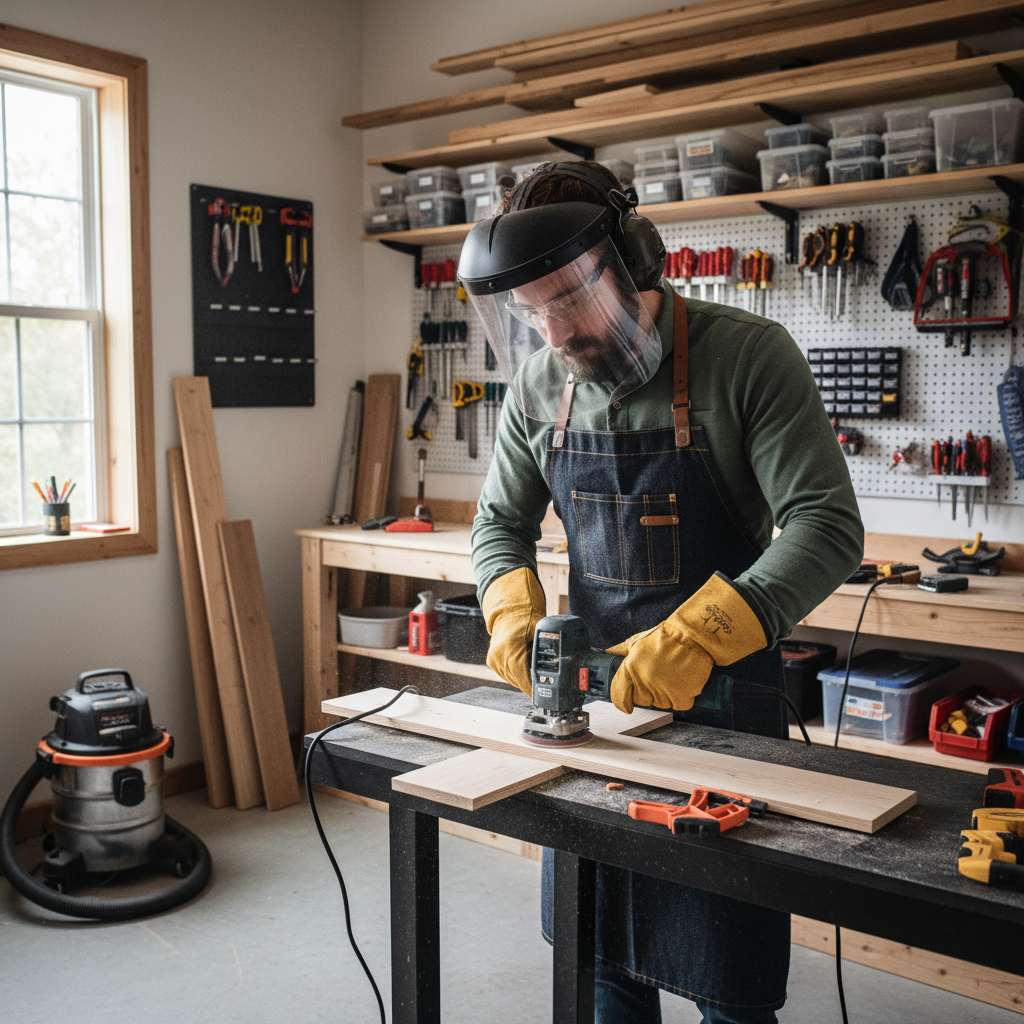
Your next step in ensuring a safe DIY experience is to gear up with appropriate Personal Protective Equipment (PPE). This isn’t just for professionals; as a DIYer, you should aim to protect yourself at all costs.
Essential PPE for DIY Projects
- Safety Goggles: Protect your eyes from dust or flying debris.
- Hearing Protection: Noise-canceling earmuffs or plugs can reduce the risk of hearing damage.
- Gloves: Suitable gloves shield your hands from cuts, abrasions, and chemicals.
- Dust Masks: Use these to minimize inhalation of dust and toxins.
- Steel-Toed Boots: Ensure that your feet are protected from heavy tools and sharp objects.
Proper Tool Handling: Avoiding Common Mistakes
Now that you’re equipped and knowledgeable, let’s discuss proper tool handling techniques that can significantly reduce the likelihood of accidents.
Maintaining a Clean Workspace
It’s all about creating a safe, organized work environment. A clutter-free workspace minimizes distractions and risks of tripping or knocking tools off surfaces. Regularly clear away any unnecessary tools and materials while you work.
Using Tools as Intended
Every tool has a purpose. Misusing a tool can lead to severe accidents. For instance, using a screwdriver as a chisel might seem like a time-saver, but it significantly increases the risk of injury. Always use tools for their prescribed function.
Power Tool Safety: A Cut Above the Rest
Power tools present a unique set of challenges and dangers. Understanding how to operate them safely requires attention and a clear head.
Stay Focused
Distractions can be deadly when using power tools. Before you start a project, eliminate potential distractions like phones or loud music. Set aside uninterrupted time that allows you to concentrate fully on your task.
Know Your Power Tool Features
Every power tool comes with features that enhance safety—such as guards, safety switches, and blade brakes. Make sure you know how to use these features effectively and utilize them every time you operate your tools. For example, if your saw has a blade guard, ensure it’s in place and functional.
Post-Project Safety: Cleaning Up
Just as important as preparing for your project is cleaning up afterward. This final phase is critical in maintaining a safe workspace and avoiding future accidents.
Storing Tools Properly
After finishing your project, store tools in their designated spaces. If you have power tools, always unplug them before storage. This prevents accidental start-up and protects the tool itself from unnecessary wear.
Dispose of Waste Safely
Ensure that all waste, sawdust, or scraps are disposed of properly. Not only does this keep your workspace organized, but it also reduces fire hazards. If you used chemicals or substances, check your local regulations regarding disposal.
Emergency Preparedness: Be Ready for Anything
Despite your best efforts, accidents can happen. The best defense is to be prepared for emergencies.
First Aid Kit
Have a well-stocked first aid kit accessible in your workspace. Familiarize yourself with the contents and know how to use each item. Basic knowledge of first aid is invaluable in case of minor injuries.
Know Emergency Contacts
Keep a list of emergency contacts, including local hospitals and poison control centers, easily accessible. Should a significant injury occur, seeking immediate assistance can make all the difference.
Conclusion
Adhering to these tool safety guidelines is essential for any DIY enthusiast. By understanding your tools, wearing the proper PPE, and following best practices for tool handling, you can minimize risks and enrich your DIY experiences. Remember, safety isn’t just a guideline; it’s a necessity. So, the next time you gear up for home improvement, ask yourself: Am I prepared?