
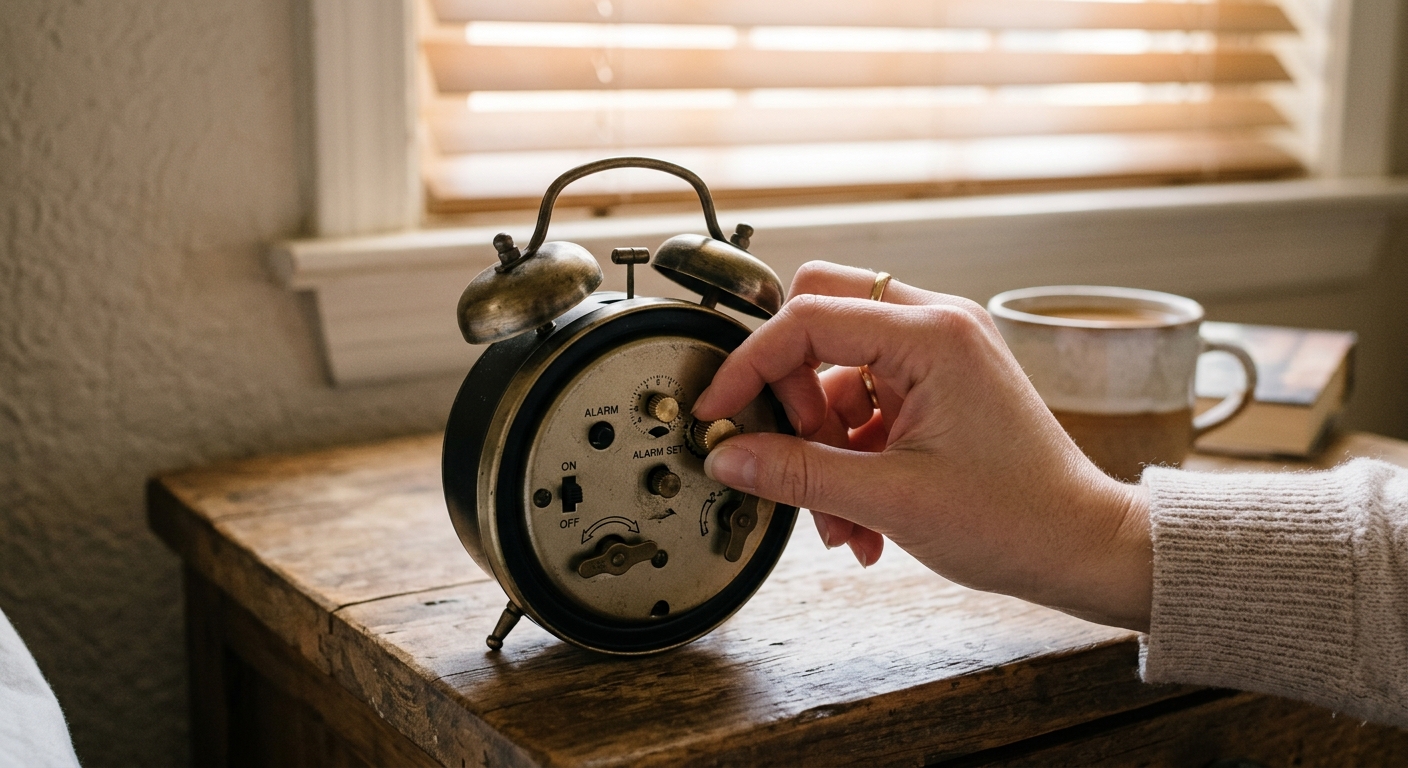
AI-generated illustration; not a photograph of the reported event.
- calendar_today October 31, 2026
Daylight Saving Time Nears Its End for 2026
Millions of Americans are about to set their clocks back by one hour as daylight saving time (DST) comes to an end for 2026. The clock change happens at 2 a.m. local time on Sunday, November 1, marking a shift back to standard time for most of the United States.
Understanding Daylight Saving Time and Its Purpose
Daylight saving time is the yearly period from March to early November when clocks are set one hour ahead of standard time. This time shift allows for more daylight in the evening hours during spring and summer months, effectively moving an hour of daylight from the morning to the evening. As the days shorten in fall and winter, Americans return to standard time, with daylight arriving earlier in the morning.
For example, in Boston, sunrise on the Saturday before the time change is at 7:16 a.m. with sunset at 5:39 p.m. After the change on Sunday, sunrise will occur at 6:17 a.m. and sunset at 4:37 p.m., according to the National Weather Service.
The United States first implemented daylight saving time in 1918 during World War I to conserve fuel. After the war, Congress repealed it but allowed states to continue observing it at their discretion. During World War II and during the 1970s energy crisis, the U.S. experimented with year-round daylight saving time, but these efforts were short-lived.
Pending Legislation: The Sunshine Protection Act
This year, the topic of year-round daylight saving time resurfaced in Congress. The Sunshine Protection Act passed the House in July and moved to the Senate. The proposed law would make daylight saving time permanent and allow states to opt out entirely before the law takes effect.
President Trump has expressed support for the bill but accused Senator Tom Cotton of Arkansas of holding up its progress. Trump encouraged supporters on social media to contact Senator Cotton regarding the legislation. Senator Cotton responded by highlighting previous attempts at permanent daylight saving time, noting that Congress returned to the current system after Americans experienced very late winter sunrises.
If the Senate does not take action before the new Congress is seated in January, the current legislation will expire and the process will need to start over.
Details About the November Time Change
The 2026 end of daylight saving time takes place the weekend after Halloween, meaning many Americans gain an extra hour of sleep or extended festivities. However, parents of young children may encounter disruptions to their kids' sleep schedules as families adjust to the new time.
The annual shift to standard time since 2007 has taken place on the first Sunday in November, following a change in federal law from the previous last Sunday in October schedule.
Gaining an Hour and Looking Ahead to 2027
As most Americans "fall back" in November, they recover the hour of sleep lost in the March time shift. In 2027, daylight saving time will begin again on Sunday, March 14, which is the second Sunday of March, due to the month starting on a Monday. This extension was put in place in 2007 to add more weeks to DST, which previously started in April.
States and Territories Not Observing Daylight Saving Time
The vast majority of the United States observes daylight saving time, but Hawaii and most of Arizona do not. The Navajo Nation, which spans part of Arizona, does observe the time change to align with neighboring regions in New Mexico and Utah. U.S. territories that do not participate in DST include American Samoa, Guam, the Northern Mariana Islands, Puerto Rico, and the U.S. Virgin Islands.
Automatic Updates for Phones and Devices
Most modern phones and digital devices are set to automatically update for the clock change, provided the appropriate settings are enabled. Companies such as Apple, Google, and Samsung offer instructions for configuring these settings. Wireless carriers including Simple Mobile and Straight Talk also provide support for ensuring accurate time display during the transition.
Source: cbsnews.com.