
- calendar_today August 14, 2025
Explore the best types of real estate to invest in 2025. From rentals to data centers, these U.S. sectors are attracting capital and outperforming forecasts.
After a period of economic adjustment and rate volatility, the U.S. real estate market is entering a new investment phase in 2025. Demand patterns have shifted. Renters are staying put longer. Developers are pivoting toward niche sectors. And institutional investors are reshaping traditional strategies.
Yet with uncertainty comes opportunity, especially for those with a long view. The key question for both individual and institutional players: Which types of real estate offer the strongest returns and resilience in 2025?
Market fundamentals suggest a clear path forward, though it looks quite different than just a few years ago.
1. Apartment Rentals: High Demand, Stable Returns
America’s persistent housing affordability problem has kept apartment rentals at the forefront of investor interest in 2025. As mortgage rates hover near 6.6% and inflation continues to outpace wage growth, millions remain renters by necessity.
Yardi Matrix reports that the national average apartment rent has increased 2.9% year-over-year, with vacancy rates under 5% in cities like Tampa, Charlotte, and Kansas City.
Mid-tier apartment properties especially those built between the 1980s and early 2000s are in highest demand. These assets offer affordability for tenants and predictable cash flow for investors, particularly in non-gateway markets.
2. Logistics & Warehousing: The Industrial Boom Rolls On
The industrial sector has outpaced nearly all other commercial segments over the past four years, and 2025 is no exception. The backbone of the e-commerce economy, warehouses, last-mile distribution hubs, and freight corridors, continues to attract major capital.
According to CBRE, leasing activity rose 12% in Q1 2025, with notable expansions in the Midwest and Southeast. Demand remains strong in regional logistics hubs like Indianapolis, Savannah, and Louisville, where rents are up nearly 7% annually.
Growth in AI infrastructure and supply chain reshoring is also fueling demand for data centers and cold storage, both subsegments seeing increased interest from REITs and pension funds.
3. Single-Family Rentals: The Preferred Model for Passive Investors
Single-family rentals (SFRs) have matured into a standalone asset class, and 2025 is proving it. High home prices and economic caution among first-time buyers have expanded the pool of long-term renters.
Investors targeting suburban SFRs in metros like Orlando, San Antonio, and Raleigh are seeing strong occupancy rates and rent stability. Roofstock, an online SFR marketplace, notes that returns for these homes now average 6–8% in select zip codes, outperforming some multifamily cap rates.
Build-to-rent neighborhoods, communities of detached rental homes, are especially popular with Gen Z and millennial tenants looking for space, privacy, and lease flexibility.
4. Sun Belt Resilience vs. Rust Belt Opportunity
Geography continues to matter. The Sun Belt remains the center of gravity for real estate investment, thanks to favorable tax climates, job growth, and population inflows. Florida, Texas, Tennessee, and Arizona lead in housing demand, with most seeing continued inbound migration.
However, parts of the Rust Belt, especially Ohio and Pennsylvania, are presenting new opportunities. Secondary cities like Cleveland and Pittsburgh have low entry costs, strong healthcare and education employment bases, and government-backed redevelopment zones.
While the Sun Belt offers scalability, the Rust Belt offers undervalued assets, ideal for investors seeking value-add opportunities.
5. Student Housing: Back to Campus, Back in Demand
Student housing has quietly become a top performer in the alternative asset space. As college enrollment stabilizes and in-person learning returns to pre-2020 levels, demand for student rentals has surged.
In markets like Austin, Ann Arbor, and Athens, occupancy rates at purpose-built student housing complexes now exceed 93%, according to RealPage Analytics.
Properties offering walkability, fiber internet, and furnished units are leasing fast, even commanding premiums above general multifamily rents. For investors, this segment offers a niche with limited competition and strong pre-leasing patterns.
6. Senior Living: A Demographic-Driven Bet
With more than 10,000 Americans turning 65 every day, senior housing is entering its golden phase, particularly in the Southeast and Mountain West.
Demand is rising for independent living communities, assisted living, and memory care centers. NIC MAP Vision data shows occupancy rates rising for the fifth straight quarter, now averaging 86.2% nationwide.
Locations near hospitals, pharmacies, and recreation spaces remain top-performing. Meanwhile, newer properties with wellness amenities and hospitality-style design are commanding higher rents, attracting private equity and healthcare-aligned developers alike.
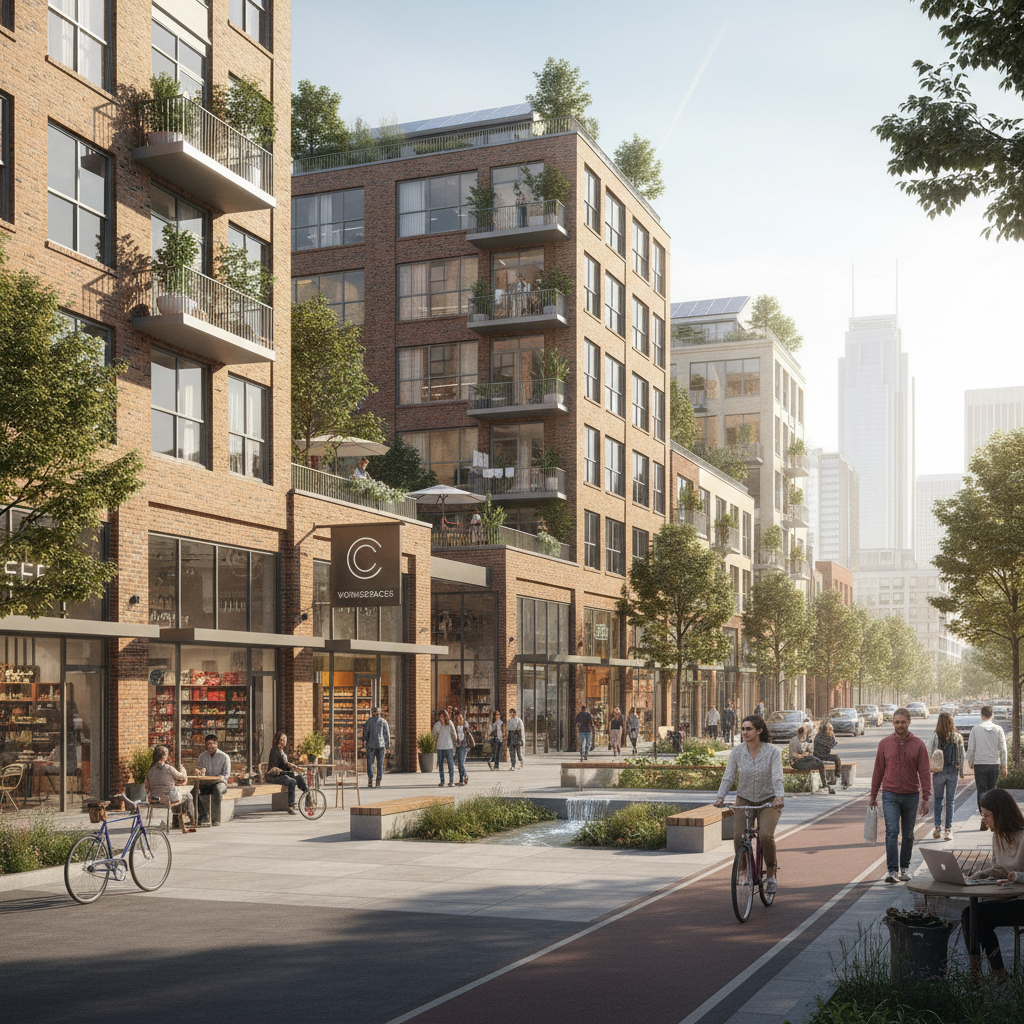
7. Mixed-Use Urban Hubs: The Comeback Continues
After several uncertain years during the pandemic, downtown real estate is finding its footing. Cities like Denver, Minneapolis, and Raleigh are experiencing a “15-minute city” revival — where housing, retail, work, and recreation are all within walking distance.
Mixed-use projects in these areas — combining apartments, coworking spaces, and restaurants — are drawing tenants and foot traffic again. Investors are focusing on projects near transit, parks, and university zones, with added emphasis on energy-efficient design.
Still, urban development in 2025 carries risk, particularly in cities with rising construction costs or complex permitting environments. Partnering with experienced developers is crucial.
What to Watch: Headwinds and Red Flags
Even with diversified opportunities, real estate investing in 2025 isn’t without caution.
- Interest Rates: Though no longer climbing, financing remains expensive, pressuring leverage strategies.
- Insurance & Climate Risk: Wildfires, hurricanes, and floods are changing the calculus in California, Florida, and the Gulf Coast.
- Zoning & Legislation: Rent control measures and Airbnb restrictions in some cities may limit profitability in traditional rental models.
Smart investors are building risk models that account for environmental, political, and regulatory headwinds not just market momentum.
2025 Demands Precision, Not Speculation
Real estate in 2025 favors focus and fundamentals. The best types of real estate to invest in this year aren’t always the flashiest but they’re the ones supported by long-term demand, regional growth, and stable user needs.
Whether it’s workforce housing in emerging suburbs, warehouses near freight routes, or specialty assets like student and senior housing, performance is being driven by people’s movement and necessity, not just capital flows.
As always, the best investments aren’t where everyone is looking, they’re where the right trends are quietly taking shape.