- calendar_today August 22, 2025
Microsoft is also adopting a more comprehensive strategy to integrate AI into Windows 11 as it gets ready to release Windows Copilot later this year. However, assistants are no longer the only focus. This time, AI will be incorporated into the programs you currently use, including Microsoft Paint, Snipping Tool, Camera, and Photos.
Additionally, even though these additions seem minor at first, they have the potential to subtly alter the way you use your computer on a daily basis.
OCR in Action: From Screenshots to Text
Optical character recognition (OCR) integrated into the Snipping Tool, Camera, and Photos apps may be one of the most notable updates to come. Although OCR is not a particularly novel technology, Windows’ integration of it eliminates the need for external tools to extract text from images.
Consider it. Take a screenshot of a receipt and make a copy of the price. While traveling, take a picture of a sign and enter the address directly into Google Maps. This type of micro-efficiency builds up over time.
These characteristics may appear minor. But for regular users, remote workers, and students? They are revolutionary.
Images Become More Intelligent—and Imaginative
There will also be a significant update to the Photos app. According to reports, Microsoft is developing AI-powered recognition tools that can identify objects, people, and animals in addition to OCR. Better yet, you might be able to click to isolate those elements from the background.
For social media users and content producers, this is clearly beneficial. Do you want to crop your pet for a sticker from a group photo? Completed. For an online listing, do you need to isolate a product? Simple.
Currently, Photoshop or online tools are needed for these kinds of tasks. Microsoft, however, appears committed to making it native—and simple.
A DALL·E Boost for Paint
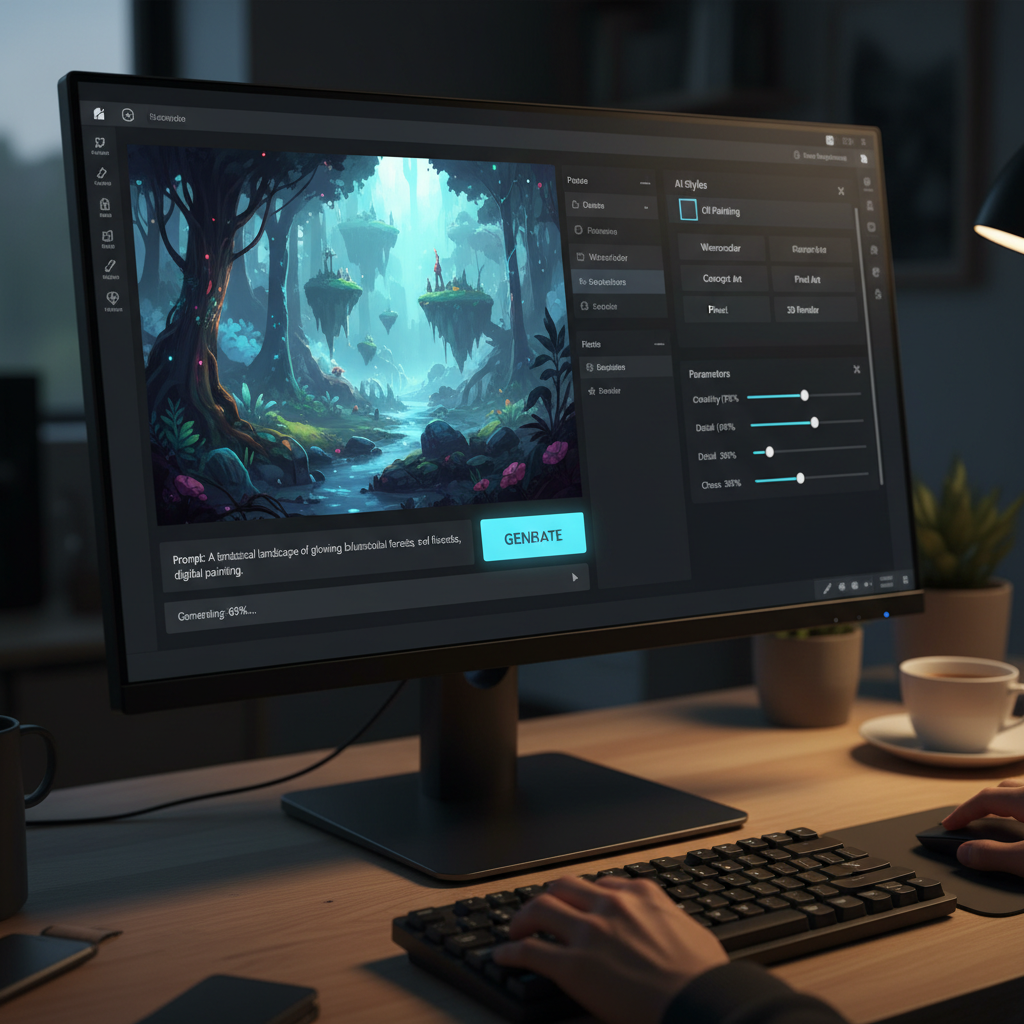
The exciting part is that MS Paint may soon allow AI-powered text-to-image creation.
Yes, exactly. Paint could produce that image for you if you typed in a description, such as “a red bird flying through a stormy sky.” Adobe’s more recent AI tools and Bing Image Creator are already comparable tools. However, noticing this in Paint? That is not what was expected.
It demonstrates Microsoft’s efforts to democratize creativity by introducing potent features into previously considered simple or even antiquated areas.
The New Bottleneck Could Be Hardware
These features won’t work on every PC right out of the box, though.
A neural processing unit (NPU) might be necessary for some of these AI-powered improvements. NPUs are made to perform machine learning tasks effectively and with less power consumption than CPUs or GPUs.
At the moment, Qualcomm’s Snapdragon chips are at the forefront of this market, particularly in mobile-style PCs. However, things are changing. NPUs are making their way into conventional laptops and desktop computers with AMD’s Ryzen 7040 series and Intel’s Meteor Lake processors.
This implies that a dedicated AI chip may be included in future Windows devices—not for glitzy tricks, but for essential user experience enhancements.
Not Just a Catchphrase
Microsoft’s AI plans are refreshing because they are realistic.
Instead of promoting AI as a stand-alone tool, they are purposefully, intelligently, and quietly integrating it into the apps that people currently use. “AI for the sake of AI” is not what these updates are. They are problem-solving AI.
It may not be immediately apparent to you. However, you’ll notice a difference the next time you ask Paint to make a graphic for your blog or copy text from a screenshot.
In this case, Microsoft is not innovating. All they’re doing is making it smarter.