
- calendar_today June 22, 2026
The Alligator Alcatraz detention facility, a $1.2 billion project once hailed as a national model, is being fully demobilized in National 2 (USA) after only a year in operation. Launched amid much fanfare by Florida Governor Ron DeSantis and then-President Donald Trump, the facility opened its doors on July 3, 2025. Its abrupt closure marks a dramatic turn for what was envisioned as a showcase detention facility serving state and federal needs.
Short-Lived Operations Marked by High Expectations
Alligator Alcatraz was designed to set the standard among detention facility projects nationwide. Supporters pointed to advanced infrastructure, security features, and the capacity to provide temporary shelter during emergencies, such as hurricane season. However, mounting operation costs quickly became a pressing concern. The facility’s limited lifespan has raised questions about both planning and the sustainability of large-scale corrections investments at the state and national levels.
Funding Struggles and Delayed Federal Reimbursement
Central to Alligator Alcatraz’s challenges was the state’s anticipated federal reimbursement. Florida was expecting $608 million in federal support, but this funding was delayed in part due to ongoing court challenges and scrutiny around environmental impacts. As state funding became strained, the prospect for continued operation dwindled. Officials expressed frustration as complex legal and regulatory hurdles impeded timely reimbursement, undermining the facility’s financial foundation.
Detainee Transfer and Demobilization Efforts
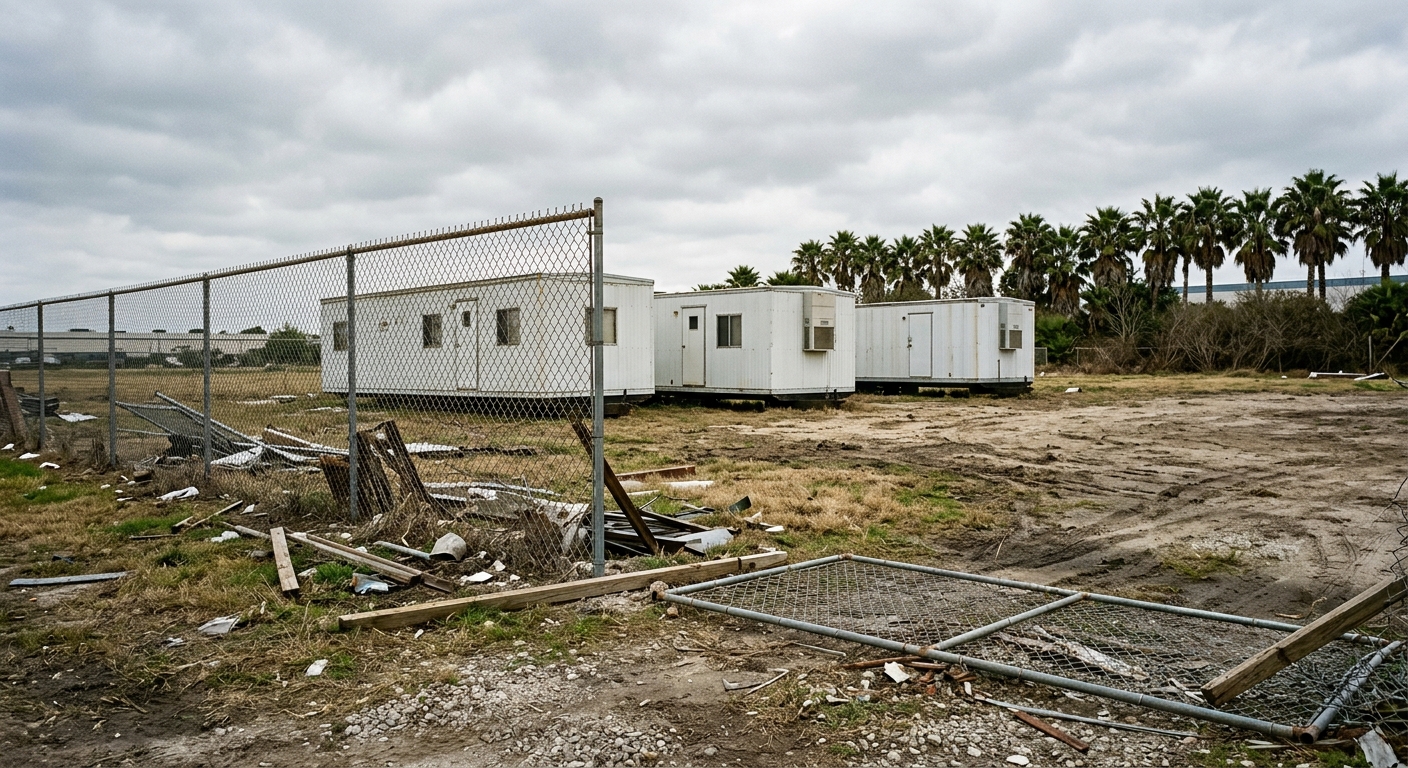
The decision to close the facility prompted a swift detainee transfer process, with the remaining individuals relocated last week. The site’s demobilization involves dismantling perimeter fencing, removing trailers, and safely redistributing resources. Leaders emphasized the importance of adhering to humane transfer protocols for all detainees involved, even as the demobilization moves forward in the National 2 (USA) region.
Mixed Signals: Hurricane Season and Long-Term Intentions
Early statements suggested Alligator Alcatraz might serve as a standby resource during hurricane season. However, state officials have now clarified the plan was always to begin dismantling the site after its initial year. This contradiction has raised concerns among local communities and emergency preparedness agencies. The situation highlights the balancing act between long-term facility planning and real-time crisis readiness across the region.
Future Plans: Pilot Training Airport in the Works
With the facility closure nearly complete, officials confirmed plans to repurpose the grounds as a pilot training airport. This new initiative reflects an effort to maximize the site’s infrastructure investment and deliver economic benefits to the surrounding communities in National 2 (USA). Stakeholders from aviation and workforce development have signaled interest in supporting the conversion, citing opportunities for new educational and employment pathways.
Governor and Community Response to the Facility Closure
Florida Governor Ron DeSantis acknowledged the closure, stating that despite its brief operational period, Alligator Alcatraz had fulfilled its intended mission. The development has sparked debate within local government and civic circles over the costs, effectiveness, and future of similar large-scale detention projects. Meanwhile, regional taxpayers and advocacy groups continue to question the value of investments made, given the unresolved issues with federal reimbursement and the high operation costs incurred.
Lessons Learned from a Costly and Controversial Project
The rise and fall of Alligator Alcatraz stand as a striking example of the complexities involved in large-scale public safety investments. As the site transitions into a pilot training facility, policymakers in National 2 (USA) and across the country are expected to revisit strategies for funding, oversight, and long-term utility of such major infrastructure projects. The episode underscores the importance of transparent planning and robust contingency arrangements in public sector initiatives.