- calendar_today August 17, 2026
American Airlines Enforces Humanoid Robots Ban Nationwide
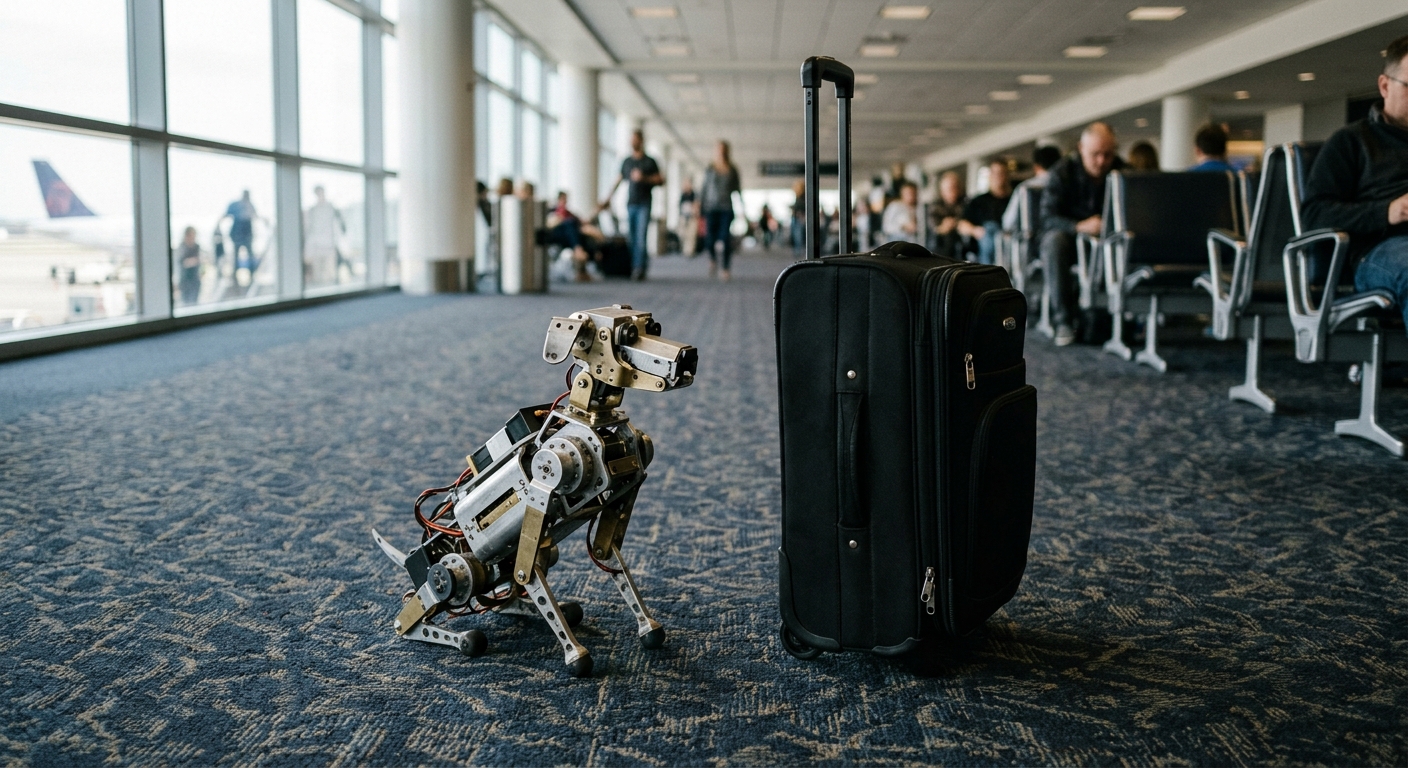
In a significant update to its airline policies, American Airlines has officially instituted a humanoid robots ban across the USA. This measure places the carrier alongside other prominent national airlines restricting both humanoid and pet-like robotic devices from being transported on their airplanes. The decision addresses emerging safety concerns as the presence of advanced robot technology grows in the travel sector.
Industry-Wide Response to Lithium Battery Hazards
The move by American Airlines comes after similar actions by United Airlines and Delta Airlines, who updated their flight restrictions earlier this year. A primary driver of these changes centers on the potential fire risks posed by lithium-ion batteries typically used in humanoid robots and robotic pets. Airline officials note that lithium batteries, while common in electronics, can present significant hazards if mishandled or damaged midflight.
Delta and United Lead with Proactive Policies
United Airlines introduced its humanoid and robotic pets ban in July, characterizing it as a proactive approach to evolving technology. Delta Airlines followed with its own policy changes in June, highlighting limitations around the type and size of lithium batteries suitable for air travel. These companies along with American Airlines now represent the industry standard in addressing these unique risks in the rapidly advancing robotics sector.
Regional Carriers Implement Varying Restrictions
The trend has been seen among other U.S. carriers as well. Southwest Airlines was among the first to restrict robots from flights after an incident involving a robot companion on board. As of this report, JetBlue has not yet announced a similar policy, but industry observers suggest additional carriers may align with the current movement, depending on future developments in robotic technology and passenger demand.
Balancing Innovation and Safety for Passengers
Robotics experts acknowledge the necessity for airlines to prioritize passenger safety. At the same time, they stress that these new rules complicate travel for researchers and professionals who must physically transport robot technology for demonstrations or fieldwork. “We understand the fear around lithium batteries, but it poses real barriers to educational exchange and scientific progress,” said one robotics researcher based in the country.
Impacts on Scientific and Educational Communities
The humanoid robots ban finds particular relevance in the National 2 (USA) region, where research institutions and technology incubators frequently interact with the airline industry. Local universities and robotics labs rely on transporting prototype robots to conferences and competitions, making effective communication between carriers and the scientific community increasingly crucial.
Future of Airline Policies in the National 2 (USA) Region
As more passengers and researchers in National 2 (USA) interact with airlines, the policy shift highlights the ongoing balancing act between encouraging technological innovation and maintaining robust safety protocols. While the restrictions may inconvenience some travelers working in robotics, most airlines assert that minimizing lithium battery mishaps remains their top concern.
Looking Ahead: Technology and Transportation
Industry insiders and travelers across the region will be monitoring any future adjustments to airline policies. With the growing prominence of humanoid robots and the increased sophistication of robot technology, ongoing collaborations between airlines, researchers, and regulatory authorities will likely shape the next chapter of flight restrictions and safety concerns in the aviation sector.
As American Airlines continues to lead with its humanoid robots ban, the National 2 (USA) region serves as both a hub for innovation and a focal point for evolving transportation safety standards across the country.