- calendar_today August 25, 2025
How Brands Are Evolving to Meet New Needs
Introduction
The American luxury marketplace is revolutionizing in 2025. Economic uncertainty, technological innovation, and shifting consumer values are forcing luxury companies to innovate. How luxury stores are responding to the shifts in order to remain relevant and address the needs of contemporary shoppers is the subject of this article.
Economic Pressures and Pricing Strategies
Tariffs and inflation are shaping luxury retailers’ pricing strategy. For example, Ralph Lauren recorded a fiscal year ended March 29, 2025, 8% revenue increase, highlighting gains in pricier items as well as lower cotton costs. The company still continues to raise prices in a bid to offset the tariffs as well as win over price-insensitive younger customers.
Likewise, sportswear giants Nike, Adidas, and Puma are price adjusting on the heels of U.S. import levies, with Nike increasing prices by up to $10 on shoes above $150.
Digital disruption is leadership luxury retail play. Luxury fashion houses are investing in artificial intelligence (AI) to drive personalization, offering customers tailored suggestions and styling advice. Virtual try-on and augmented reality (AR) experiences become de rigueur, delivering compelling online shopping experiences.
Direct-to-consumer (DTC) brands are also venturing into physical retailing. Hailey Bieber’s beauty brand Rhode is going into Sephora stores in the U.S., Canada, and UK, a stark contrast from its first DTC model.
Sustainability and Ethical Practices
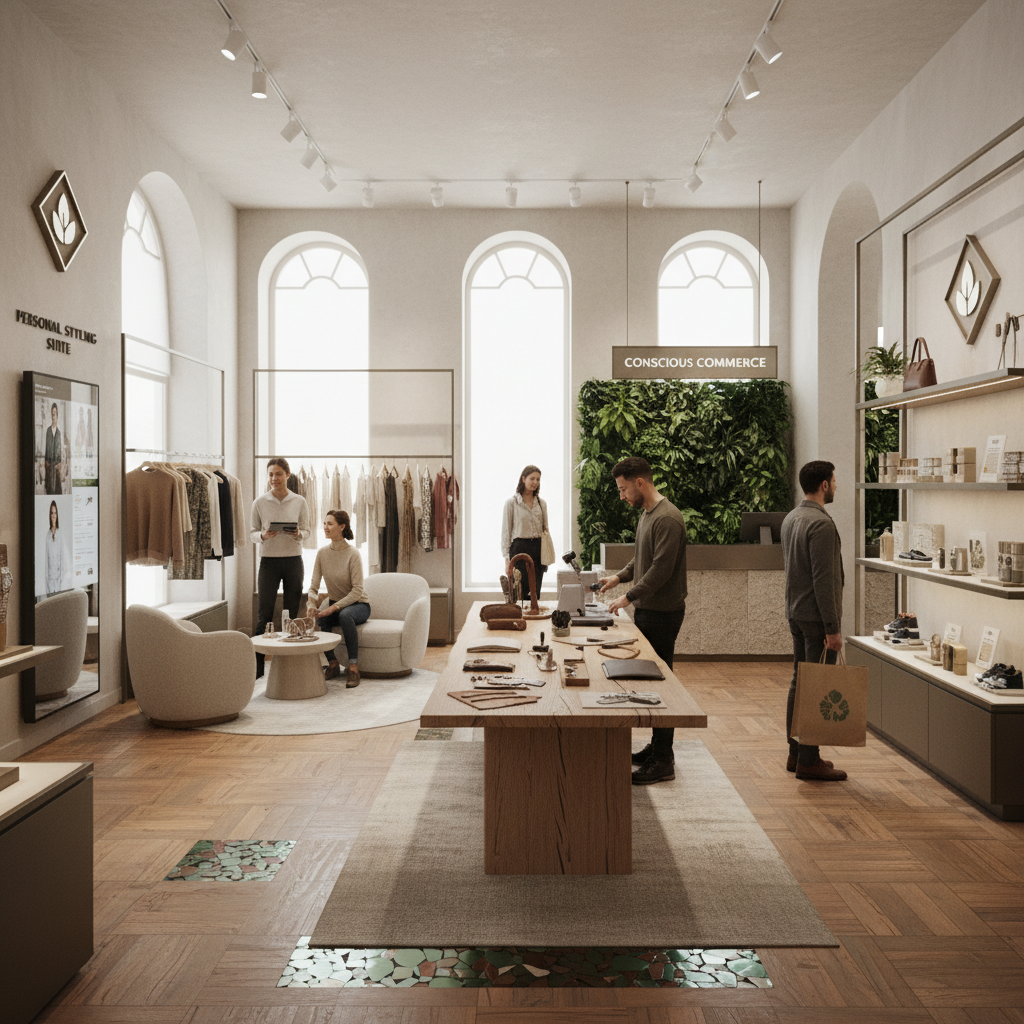
Today’s consumers of luxury are more interested in ethics and sustainability. Brands are shifting in response to adopt sustainable materials, transparent supply chains, and focusing on ethical working conditions. This is a reflection of the consumer interest in purchasing products that express their values and do good for society.
The rise of in-house resale channels is also notable. Brands like Levi’s and Lululemon have introduced sections on their websites for pre-owned merchandise, catering to eco-conscious consumers and tapping into the growing resale market.
Personalized and Experiential Retail
Differentiation in luxury is mainly based on individualized experiences. Very often, brands let customers get personal advice from stylists, invite them to exclusive launches of new product lines and offer in-store activities. Taking shopping to the next level, store operators include various art exhibits, comfortable cafes and fun interactive displays for products.
Because customers want more, experiential retail provides chances to interact with brands outside of buying something.
Younger folks getting ready for marriage
More and more Gen Z and Millennials are playing important roles in the luxury market now. Most people care about social roles, genuine interactions and welcoming all people. Brands are launching more casual upscale items, joining forces with other brands to create streetwear looks and advertising a lot on social media to attract young customers.
People from these social classes are choosing the “quiet luxury” trend, where subtlety and soft branding take over from extravagant spending.
Conclusion
2025 is bringing about new challenges for luxury department stores in the US because of a down economy, emerging technology and consumers with updated expectations. With the use of sustainable activities, custom experiences and experiential approaches, luxury brands are trying to match the expectations of consumers and choose their place in a fast-paced field.