- calendar_today August 29, 2025
.
In an escalation of his war with Apple and OpenAI, Elon Musk filed a lawsuit on Monday, alleging the two companies colluded to entrench monopolies in the rapidly growing market for AI chatbots. The suit follows weeks of complaints from Musk, who said last month that his new Grok chatbot has been unjustly snubbed by the App Store while Apple has showered OpenAI’s ChatGPT with preferential treatment.
Filed on behalf of Musk’s companies X and xAI, the lawsuit goes far beyond App Store rankings, however, claiming that Apple and OpenAI entered into an exclusive deal that not only gives ChatGPT access to unprecedented features on the iPhone, but also locks out rivals from a user base large enough to scale effectively. The arrangement, Musk claims, violates antitrust and unfair competition laws and threatens to derail his ambitions to build an “everything app” using the foundation of Twitter, which he bought in 2022.
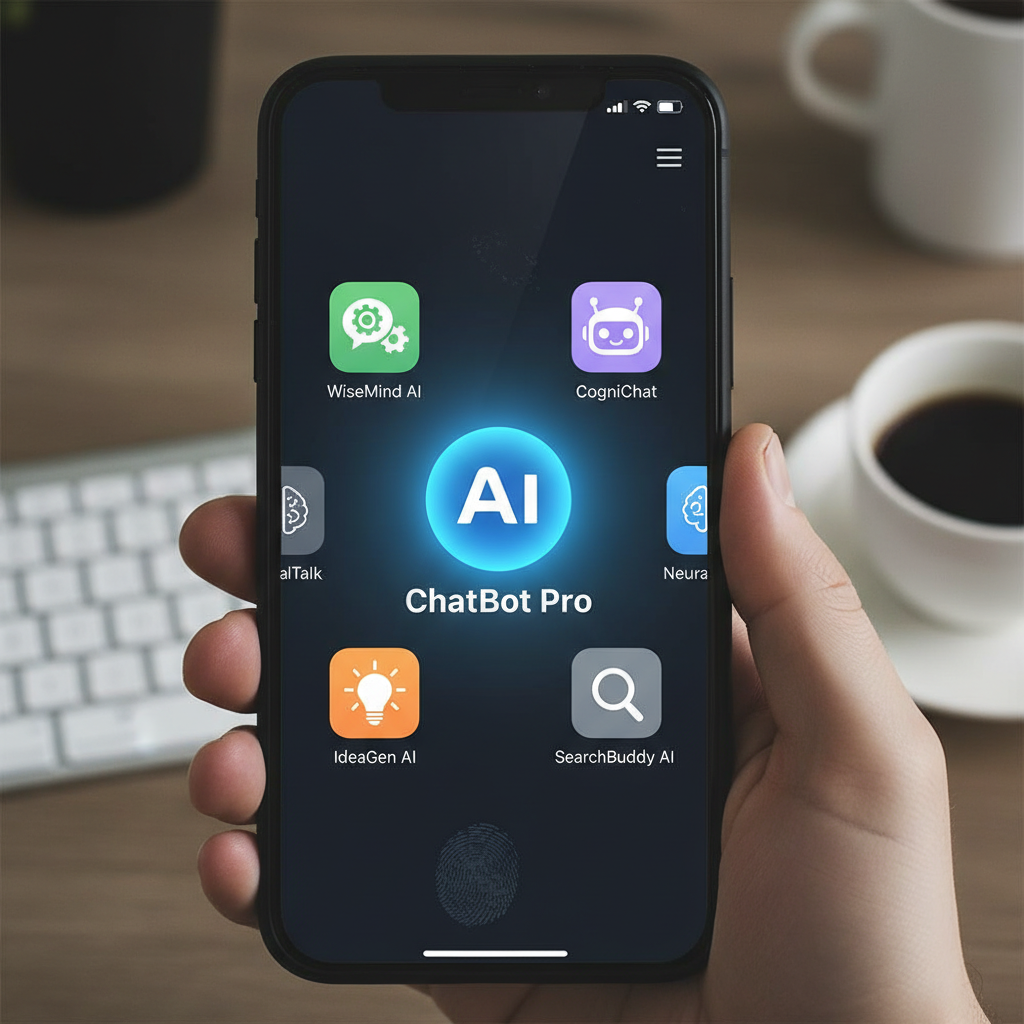
Apple, the suit says, has integrated ChatGPT into iOS as a default chatbot for Siri, its Writing Tools, and other features, giving OpenAI exclusive access to billions of user prompts. By itself, that data is critical for improving and training chatbot models, X argues, and without access to that scale, rivals like Grok cannot properly develop.
X further argues that OpenAI already dominates the market for chatbots, with an estimated 80 percent share, and Apple’s special integration for ChatGPT will help it “lock in” dominance indefinitely. “Generative AI chatbots would vigorously compete with one another in a fair market. Instead, defendants’ anticompetitive conduct has handed a substantial portion of the market to ChatGPT,” the lawsuit states.
Apple, meanwhile, is motivated by a fear that a successful rival super app with a chatbot as a central feature could one day make iPhones less indispensable, X alleges, citing internal Apple executive concerns as well as the example of WeChat in China. The lawsuit contains a notable citation from Apple executive Eddy Cue, in which Cue allegedly worries that generative AI advances “could destroy Apple’s smartphone business.” The Musk filing characterizes the deal as a last-ditch effort by Apple to shore up its own iPhone monopoly, while simultaneously helping OpenAI gain an insurmountable lead in generative AI.
Exclusive Access for AI Chatbots
The complaint specifically cites Apple’s arrangement with Google to be the default search engine as the basis of that company’s monopoly, which U.S. regulators are now challenging. Musk alleges Apple “rejected repeated efforts” by xAI to integrate Grok with iOS. X has reportedly made as many as three proposals to Apple over the past year, Musk said last month. The company also says Apple flatly rejected requests to feature Grok in the App Store, even when the company released new “Imagine” features, the suit says.
The complaint further accuses Apple of manipulating App Store rankings and deliberately stalling on Grok updates as part of an effort to squelch the competition. At stake, according to Musk’s legal team, is not just Grok’s chance at success, but the future of AI-driven super apps writ large. “Siri handled 1.5 billion requests per day from users worldwide in 2024,” the suit notes. “That is more than the total number of prompts received by all generative AI chatbots in 2024.”
If OpenAI is the sole recipient of that data, the company has a chokehold on the largest possible audience for AI chatbots, the X suit argues. That translates into a market share of as much as 55 percent of all potential chatbot interactions, which X estimates is now in OpenAI’s pocket.
For consumers, the deal could have myriad consequences, according to Musk’s filing. Apple customers will face a reduced field of choices, with less capable alternatives to ChatGPT that may not receive updates in time. Meanwhile, the companies would raise subscription prices for the chatbots with impunity, thanks to their positions of dominance. OpenAI has said it plans to double its “plus” subscription over the next four years, for instance. “That plan would be unfeasible unless OpenAI has power over marketwide prices,” the lawsuit alleges.
Finally, there is a “chilling effect” on potential investments, according to Musk’s filing. If Apple’s App Store rules and iOS continue to “press its thumb firmly on the scale” in ChatGPT’s favor, the market will reward investors in OpenAI and discourage the investments needed to support serious rivals. Musk also suggested that potential layoffs by his new companies could be the result if his companies have to deal with the handicap of Big Tech giants “swooping in” to scoop up star developers.
The deal doesn’t even make financial sense, X’s suit further alleges. For Apple and OpenAI, “blocking out potential competition was more valuable than collecting cash,” the complaint argues, citing the fact that OpenAI gave Apple access to ChatGPT for free, in effect, paying Apple for the privilege, and that Apple says it does not expect a return on investment in the near term. If the partnership were intended to spur more customers to subscribe to ChatGPT, X notes, Apple would have to take a cut, which is not what it said in response to press inquiries. “By making the deal exclusive, Apple sacrificed the profits it would have earned by integrating multiple chatbots,” the complaint goes on to argue. “The true motive was Apple and OpenAI’s shared goal of blocking competition.”