
- calendar_today August 8, 2025
The U.S. housing market stands at a crossroads in 2025. Following two years of economic tightening and pandemic-era volatility, buyers, sellers, and real estate professionals are adjusting to a new landscape marked by cautious optimism and persistent challenges.
Home prices remain elevated in many areas, but buying power is starting to recover as mortgage rates inch downward. Meanwhile, urban migration patterns continue to evolve, construction lags behind demand, and technology is rewriting the rules of how properties are marketed and sold.
Below, we unpack the real estate market trends for 2025 most likely to impact Americans this year, regionally and nationally.
Reflecting on 2024: What Set the Stage
The real estate market in 2024 was defined by friction: limited listings, stubbornly high mortgage rates, and a widening affordability gap. While home values grew at a slower pace than previous years, they didn’t decline significantly, largely due to low housing supply.
Federal Reserve policy aimed at inflation control curbed housing activity, yet demand remained surprisingly resilient, especially in markets with job growth and lifestyle appeal. That momentum carries over into 2025, albeit under new conditions.
1. Gradual Mortgage Rate Relief Could Unlock Demand
Mortgage rates that hovered near 7% last year began to ease slightly in early 2025, with expectations of further reduction depending on inflation data and Federal Reserve decisions. Industry projections suggest average 30-year rates could drop to the low 6% range by year-end.
This shift may re-engage sidelined buyers, particularly in affordable markets like Pittsburgh, Memphis, and Kansas City. However, modest rate changes alone won’t solve the broader affordability crisis, especially for first-time homebuyers.
2. Demand Expands in Undervalued and Tax-Friendly Markets
High-net-worth individuals and retirees are increasingly relocating to states with favorable tax laws and lower property costs, such as Tennessee, Texas, and North Carolina. These states offer a better cost-of-living ratio and often attract business relocations, fueling housing demand.
Markets like Chattanooga, Fort Worth, and Greenville are gaining traction not just for affordability, but for lifestyle offerings, business ecosystems, and new construction inventory.
3. New Construction Faces Slow Rebound
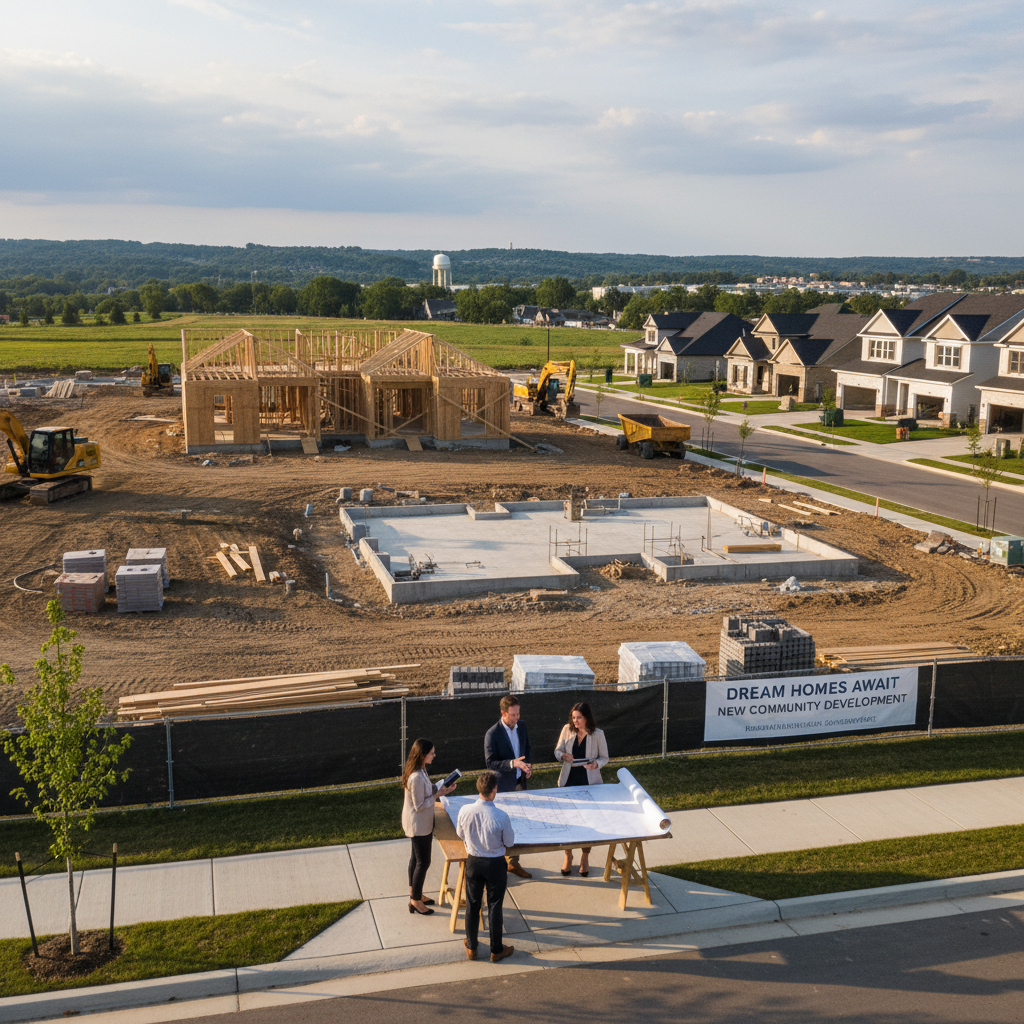
Despite demand, housing starts remain sluggish, with many builders wary of high materials costs, skilled labor shortages, and fluctuating interest rates. The result is continued pressure on available supply, especially in urban and suburban neighborhoods already experiencing high demand.
Permits for multi-family units rose 3.8% nationally in Q1 2025, while single-family builds lagged, according to early-year data. Builders are focusing more on townhomes, duplexes, and “missing middle” units to address pricing constraints.
4. Rent Prices Plateau in Key Metro Areas
After sharp increases in 2021–2023, rent prices are showing signs of stabilization in some high-cost cities like Boston, Denver, and Seattle. Landlords are offering more incentives to attract long-term tenants, particularly in the luxury segment.
Still, rents remain high relative to pre-pandemic levels. In contrast, rent prices are continuing to rise modestly in smaller cities, where population growth and housing shortages persist.
5. Remote and Hybrid Work Trends Still Influence Housing Choices
Work-from-home flexibility isn’t going away. In 2025, homebuyers continue to seek properties with office space, outdoor areas, and proximity to nature, even at the expense of longer commutes or distance from downtown cores.
The shift is fueling growth in outer suburbs and rural areas near metro centers. Areas like Bucks County (PA), Northern Utah, and Western North Carolina are seeing increased interest from buyers escaping crowded cities.
6. Technology Drives Greater Efficiency in Transactions
AI tools, machine learning, and mobile-first platforms are streamlining the homebuying process in 2025. Agents are using chatbots to handle scheduling and questions, buyers are completing mortgage pre-approvals online, and closings are often conducted remotely.
Platforms like Zillow, Redfin, and Compass continue to invest heavily in predictive search, property valuation algorithms, and 3D walkthroughs, helping buyers make informed decisions faster than ever.
7. Climate Concerns Are Influencing Buyer Behavior
Wildfire risk, flooding, and extreme weather events are causing buyers and insurers alike to scrutinize properties more closely. Climate resilience is now a selling point, with demand rising for homes built above flood lines, constructed with fire-resistant materials, or equipped with solar and backup power systems.
In markets like coastal California and South Florida, insurance costs have surged, and some providers have exited altogether, affecting affordability and long-term investment appeal.
Regional Insights: Fastest-Growing U.S. Housing Markets in 2025
While national trends shape the big picture, real estate remains a local game. The following cities are projected to see robust activity this year:
- Cincinnati, OH – Revitalized downtown and tech corridor investment
- Spokane, WA – Lower cost of living, proximity to nature, high rental demand
- Savannah, GA – Port-driven job growth and luxury new construction
- Fayetteville, AR – Booming job market and infrastructure development
Each market offers unique entry points for both homeowners and investors.
What Homebuyers and Investors Should Know
The real estate market trends for 2025 suggest that while national volatility may ease, local market conditions will continue to drive opportunities and risks. Buyers should stay educated about regional tax laws, climate risk, and school zones, factors that increasingly influence value.
For investors, mid-tier markets with population inflow and rental demand remain attractive. Value-add properties, build-to-rent developments, and suburban multifamily assets are especially promising this year.
A Market in Transition, Not in Decline
U.S. real estate in 2025 is not in free fall, it’s evolving. The year ahead offers opportunity for those willing to look beyond headlines and focus on fundamentals: supply, demand, location, and livability.
As more buyers adapt to higher borrowing costs and tech streamlines the buying journey, the housing market is regaining momentum, slowly but steadily. Expect a landscape where patience, research, and timing remain more important than ever.