
- calendar_today August 24, 2025
Dwindling cotton production in major areas causes trade worries and creates shockwaves in American textile and retail sectors in 2025.
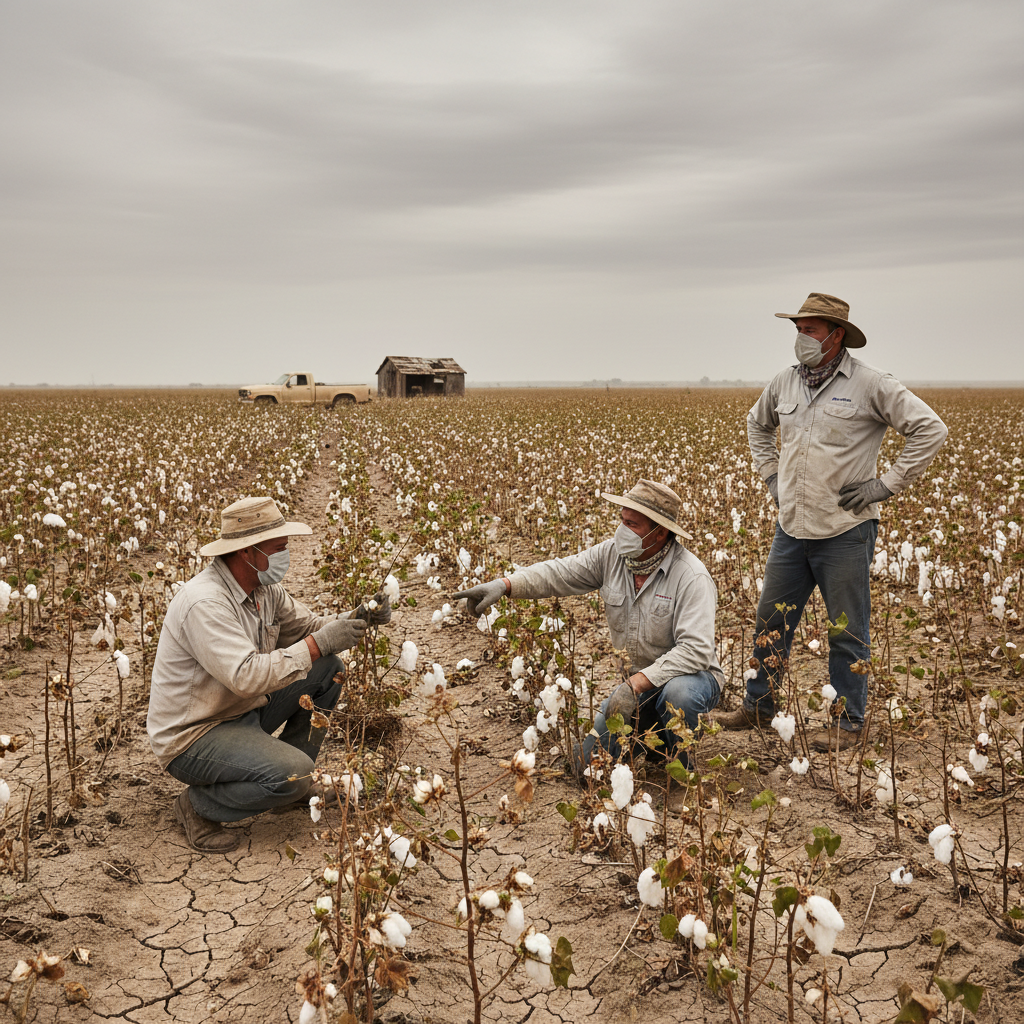
The world cotton industry is under serious stress in 2025, and its impact is already being felt in the American market. As cotton production drastically reduces in certain export countries, notably those included in the Generalized System of Preferences Plus (GSP+) program, U.S. importers and manufacturers are observing with increasing alarm. The duty-free access granted by GSP+ status to developed economies such as the United States is threatened in a number of countries because of labor and sustainability challenges associated with cotton production.
The end result? Increasing prices, possible shortages, and a huge wake-up call for American companies relying on inexpensive, dependable cotton imports.
What’s Going On With Cotton?
A number of nations that benefit from GSP+ trading privileges, particularly in Asia and regions of Africa—are experiencing an significant decline in cotton yields in 2025. The causes differ from nation to nation but include a mix of:
- Unstable weather conditions, like droughts and floods, can damage crops.
- Labor shortages and rising costs to farmworkers.
- Tighter international labor laws, adding pressure to unethical farm labor practices in certain areas.
- Pest infestations and soil erosion, constrain sustainable agriculture.
This downturn isn’t solely a matter of less cotton quantity. It’s also about forgoing trade advantage. Nations within the GSP+ scheme have to comply with stringent standards regarding labor rights, human rights, and environmental practices. Non-compliance can lead to suspension or revocation of GSP+ benefits.
And that’s precisely what’s now beginning to occur.
GSP+ Under Threat
As production declines, most cotton-exporting nations are under closer examination. The European Union has already warned some GSP+ members on issues of forced labor and poor environmental management. The United States, which runs its own version of the GSP program, has also signaled that those countries failing to meet fair labor and sustainable agriculture standards risk losing their preference-based trade access.
This trend has the potential to immediately impact U.S. markets, particularly sectors in which low-cost cotton is a cornerstone—such as clothing, bedding, and textile manufacturing.
American Firms Start Feeling the Pinch
Large American retailers and apparel firms are already citing evidence of disruption:
- Prices on clothing are creeping up incrementally.
- Lead times are lengthening, and some shipments are being held back because of supply limitations.
- Sourcing teams are racing to discover substitute suppliers or move manufacturing elsewhere.
Those brands depending mainly on nations such as Bangladesh, Pakistan, or West African regions for cotton fabrics are especially hit. If GSP+ status is revoked or suspended in these areas, tariffs will increase, constricting margins.
For smaller American brands, that might translate into fewer choices or slimmer product lines. For consumers, it might translate into higher costs and restricted choices by the 2025 holiday shopping season.
A Wake-Up Call for the U.S. Textile Industry
The cotton crisis also is bringing into focus the tenuous state of U.S. reliance on imported textiles. As foreign production becomes more volatile, some American producers are weighing the possibility of reshoring—returning textile production to the U.S.
But reshoring isn’t simple. Domestic cotton tends to cost more, and U.S. textile infrastructure has been shed over several decades. But some view this moment as a time to rebuild and make investments in sustainable, domestic textile manufacturing.
A handful of Southern states, traditionally powerful in cotton cultivation and textile labor, are already providing incentives to reboot these industries. Whether that transition picks up speed is still to be determined, but the discussion has certainly begun.
Sustainability Takes Center Stage
One of the better outcomes of the present challenge is increased emphasis on sustainable sourcing. More American companies are making a commitment to traceable, ethical supply chains. Some are investing in organic cotton cooperatives or establishing long-term relationships with producers in compliant countries.
Consumers are also getting smarter about the origins of their garments. In 2025, “sustainably sourced cotton” has graduated from niche descriptor to mass-marketing buzzword on both online and retail channels.
What’s Next?
Forward-looking, the U.S. market will keep evolving to respond to changing cotton realities. Look out for these top things to watch:
- Trade policy actions: As more nations lose their GSP+ benefits, import duties will surge, affecting retail prices in the U.S.
- Innovation with alternative fibers: Brands could accelerate their transition to cotton alternatives such as hemp, bamboo, or recycled fibers.
- International cooperation: Nations may have to cooperate on climate-resilient cotton production and improved labor practices to maintain trade privileges.
Final Thoughts
Cotton has been a gentle but omnipotent force behind U.S. consumer products, from apparel to interior design, for centuries. But in 2025, its significance cannot be overlooked. Decreasing overseas production and the threat of losing GSP+ status are revealing vulnerabilities in the international supply chain, and are triggering major decisions throughout American markets.
Whether through innovation, reshoring, or more robust global partnerships, the U.S. fashion and textile industries need to change in a hurry. Because here’s one certain thing: the age of cheap, boundless cotton is over—and how America reacts will determine the industry for decades to come.