
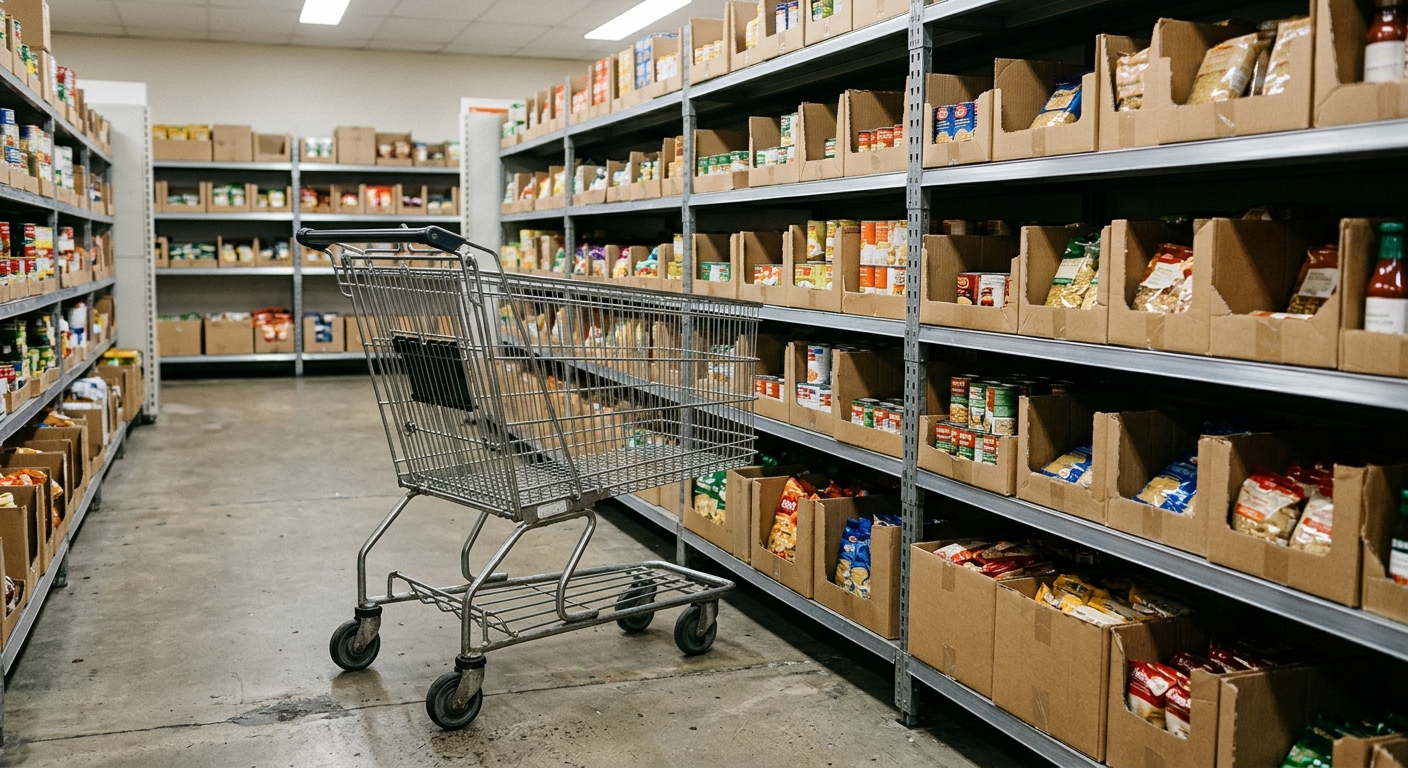
AI-generated illustration; not a photograph of the reported event.
- calendar_today October 27, 2026
Aldi's Rapid Growth and Market Presence
Aldi, the German discount grocery chain, is expanding quickly across the United States. As of 2025, Aldi announced plans to add over 225 new U.S. stores that year, working toward an ambitious goal of 800 additional locations by the end of 2028. Should this plan succeed, Aldi expects to have more than 3,000 U.S. stores—surpassed only by Walmart among grocery chains.
Aldi's presence is already notable: in 2024, the chain generated approximately $29 billion in U.S. sales, outpacing well-known competitors like Trader Joe's. Its growth strategy and competitive pricing are reshaping the grocery landscape, increasing pressure on rivals and driving changes in how Americans shop for food.
The Secret Behind Aldi's Low Prices
Aldi’s reputation for low prices is well-earned, with many shoppers finding its rates often match—or even beat—those of Walmart. According to food reporter Deena Shanker, extended comparison shopping confirmed that Aldi frequently edges out other discount grocery contenders. As a result, major grocery stores such as Wegmans and Kroger have responded with defensive price reductions to remain competitive.
Furthermore, an analysis conducted in late 2023 found that in areas where Lidl (another German discount grocer with a similar model to Aldi) opened locations, competitor grocery stores lowered their markups by around 7 percent. This phenomenon underscores the effect of competition pricing and market disruption Aldi brings to the industry.
The Core of Aldi's Model: Private Label and Limited Selection
While other grocery stores have focused on offering vast selections and multi-brand shelves, Aldi emphasizes efficiency and cost-saving strategies. Two main tactics drive its ability to offer deeply discounted products:
- Private Label Products: Aldi primarily stocks store-branded items that closely resemble well-known brands but are manufactured and sold under its own labels. Over 80 percent of Aldi’s products are these private label or store brand goods, reducing reliance on external companies and eliminating extra markups. This approach allows Aldi to further lower prices for its customers.
- Limited Selection: The chain offers a curated selection of staple items rather than a wide variety of brands or product variants. This strategy, originating from the company's post-war German roots, enables bulk purchasing, minimizes spoilage, and keeps operational costs low. Larger stores often stock multiple varieties of the same item, but Aldi typically sells just one option, with a focus on essentials.
The intentional simplicity is apparent in-store—products remain in their shipping boxes, there is little décor, and even in-store music is absent to avoid licensing and equipment costs. The chain’s modest, sometimes shabby appearance is an integral element of its low-cost model.
Consumer Experience and Aldi's Unique Appeal
Though Aldi’s model emphasizes discounts and efficiency, the chain has cultivated a devoted customer base. Aldi’s stores feature a “middle aisle” filled with rotating specials and novelty items, from German specialties to advent calendars and toys. This creates a flea-market atmosphere that many find both fun and rewarding.
In response to growing demand and a broader customer base, U.S. Aldi stores now offer some premium products, such as honey crisp apples and higher-end wines—always at aggressively low prices. Many customers see Aldi as more than just a budget option, describing shopping there as exciting and even lining up for new store openings.
Bundling, Unbundling, and Market Impact
Aldi’s emergence in the U.S. market reflects a broader trend of unbundling in retail. Where traditional supermarkets aggregated a vast array of goods and services under one roof, Aldi chooses to unbundle, focusing on offering a tightly curated range of essentials at unbeatable prices. In doing so, the company prompts customers to visit multiple stores to fulfill all their needs—a reversal from the all-in-one supermarket strategy of previous decades.
This approach is influencing competition and contributing to a dynamic retail environment, even as grocery costs rise in other sectors. As Aldi continues to expand, its impact on competition pricing and grocery chains across the U.S. is expected to grow, ensuring that low prices become a necessary offering for those hoping to keep up.
Source: npr.org.